






Reading your energy bill
Energy bills can be confusing, but you don’t need to understand every detail. We’ll show you the key things to look for so you can find what matters and ignore the rest.
Watch our video to learn the 5 things to check on your bill to stay on top of your energy use and costs:
Prefer help with this? You don’t have to figure it all out on your own. Look for the Energy Assistance Program section at the bottom of this page to get free, independent help understanding your bill and what to do next.
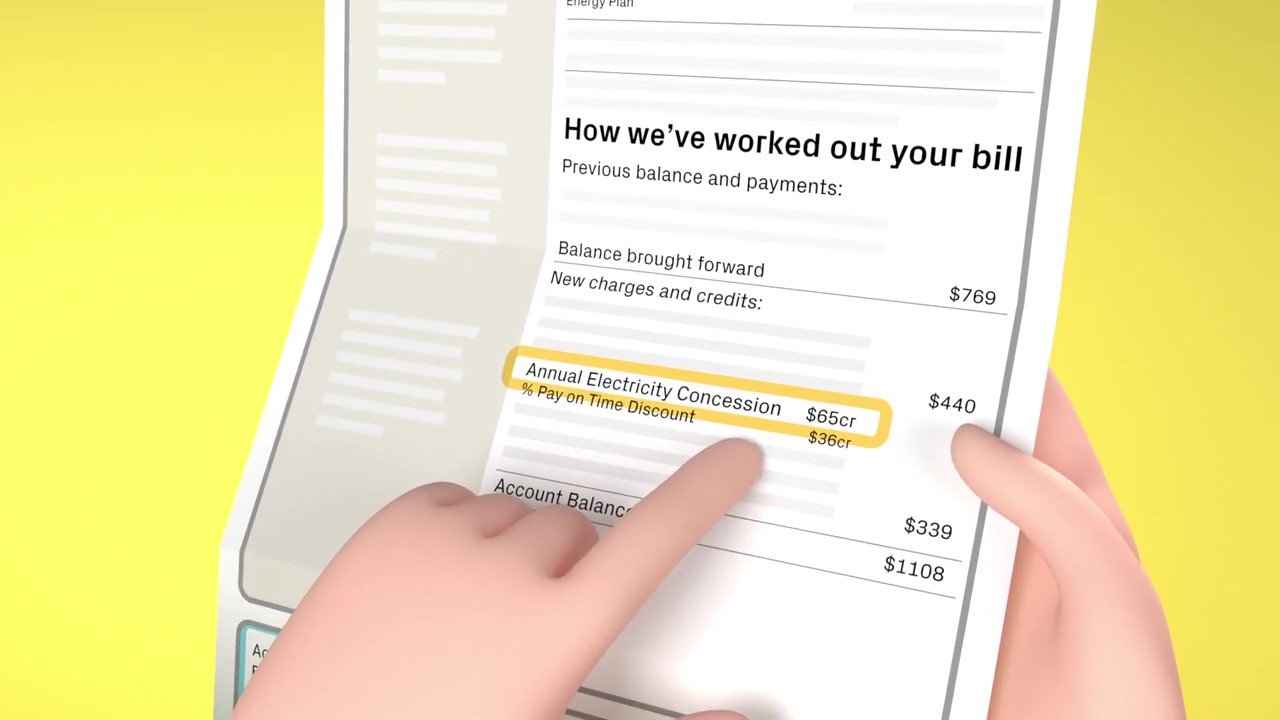
1. Concessions
If you have a concession card, it’s important to check each bill for the word ‘Concession’ to make sure your energy company is applying concessions to reduce your bill.
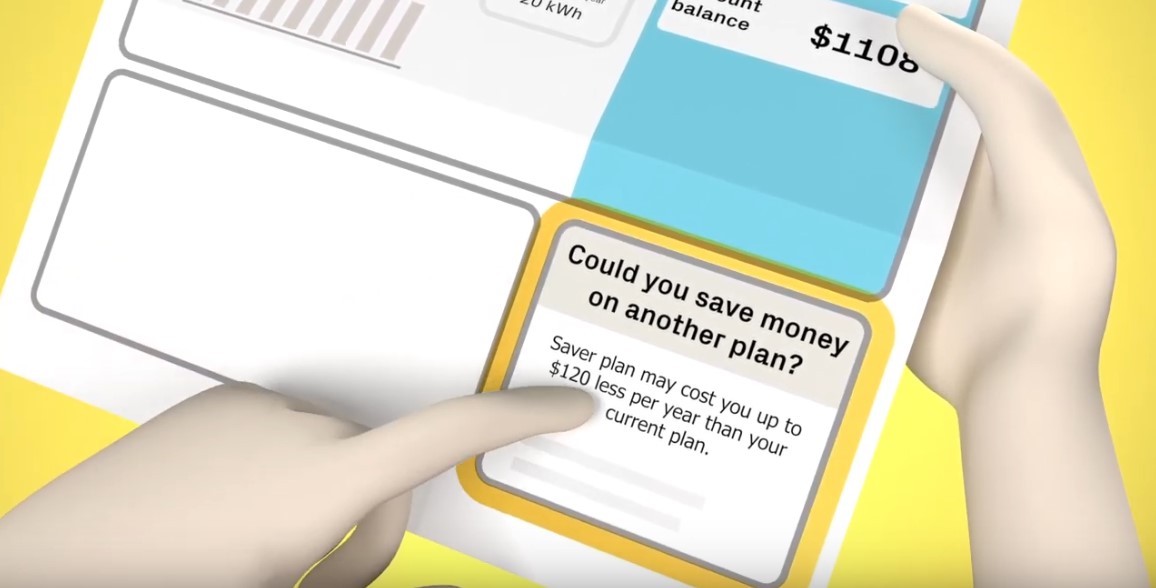
This shows the cheapest energy plan your current energy company offers.
» If you’re not already on this plan, call your energy company and ask to switch to the best offer – you could start saving straight away.
Same energy, smaller bill
3. Average daily use
Your average daily use shows how much energy you use on average (in kilowatt hours per day).
This is the best way to compare your energy use over time, because prices can change and make bill amounts hard to compare.
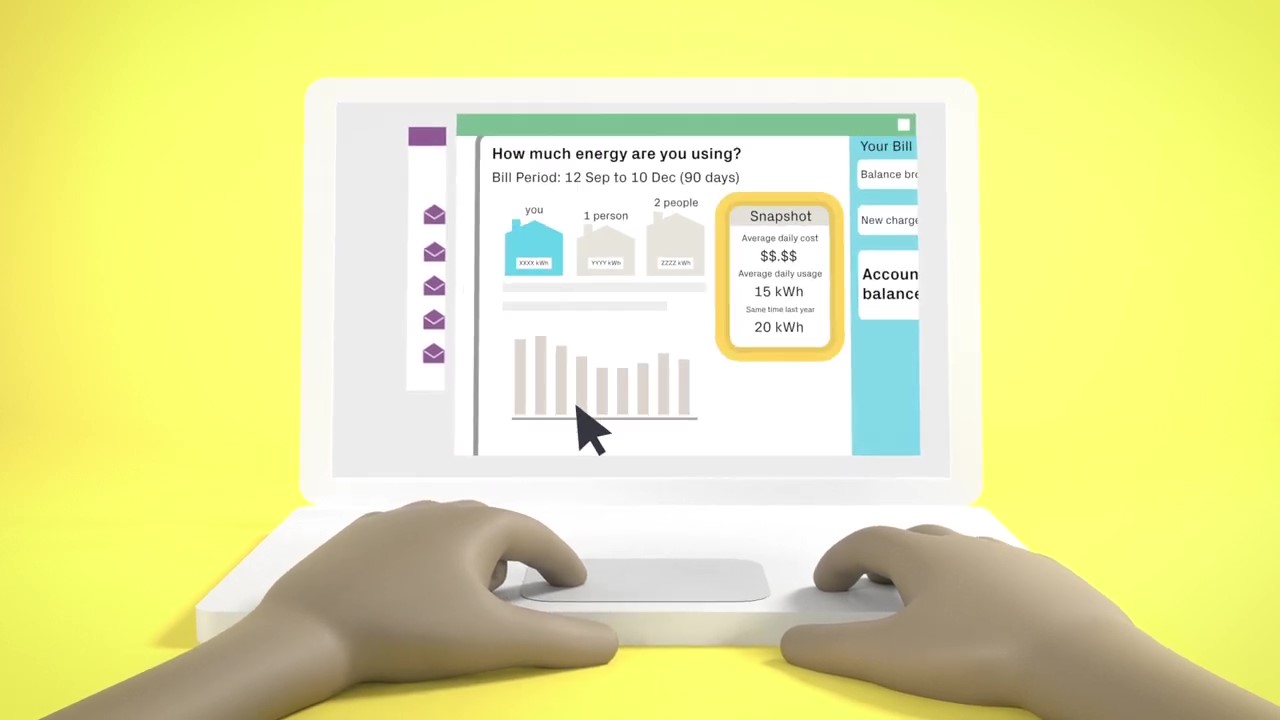
» Compare your energy use with the same time last year to see if your usage is going up or down, and whether your saving energy efforts are paying off.
Stop waste, keep comfort
4. Total cost
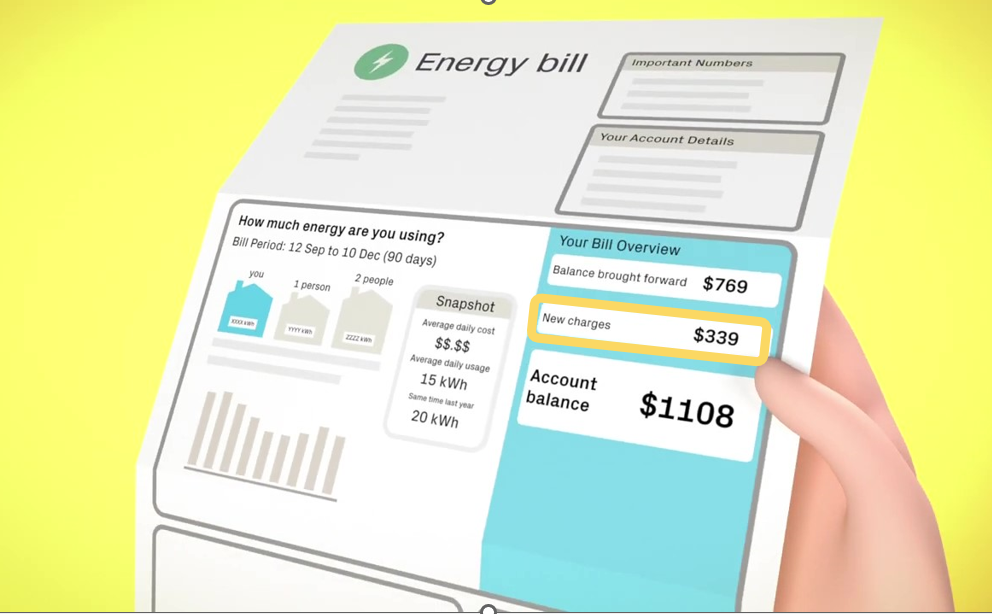
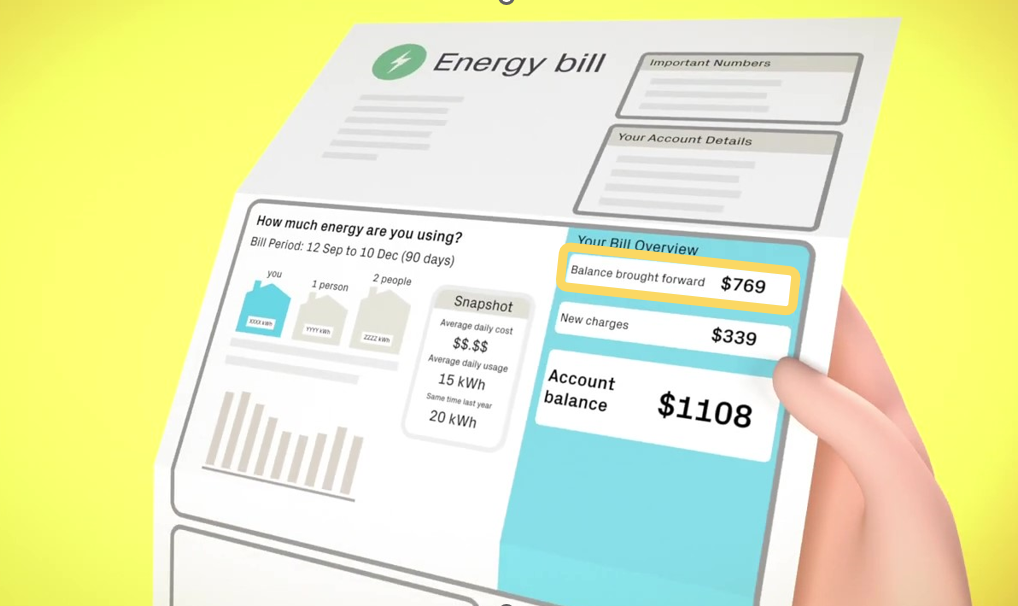
The total cost of your bill includes:
- New charges, plus
- Any unpaid balance from past bills
New charges (usage and service charges)
This is the cost of energy for current billing period – not to be confused with previous balances.
Previous balance (unpaid amounts)
This shows any unpaid amounts from earlier bills.
» If you’re having trouble paying, you can call your energy company for payment difficulty support. They can set up payment plans and help lower your energy costs.
You may also be eligible for a Utility Relief Grant to help towards what you owe.
Help is just a call away
5. Billing period
This shows the start and end dates of your bill. For example, one month or three months of energy use.
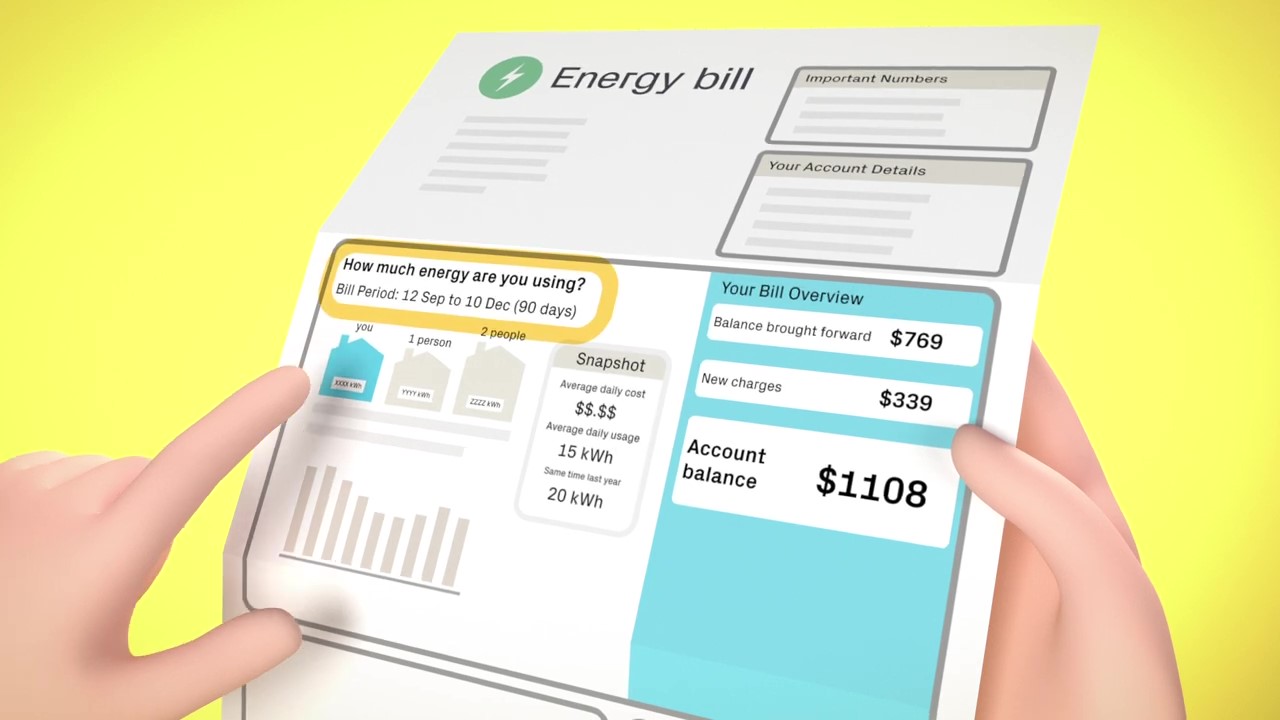
Knowing your billing period helps you plan ahead and see when your next bill will arrive.
» If you prefer, you can ask your energy company to switch to monthly billing, which can help spread out costs and make them easier to manage.
Not sure where to find this on your bill?
Our guide shows you where to look.
Energy Assistance Program
Energy bills
The free and independent Energy Assistance Program can go through your energy bill with you, answer your questions and help you understand what it all means. You don’t have to figure it out on your own.
📞 Call the Energy Assistance Program: 1800 161 215
Or learn more about the Energy Assistance Program
i
Live in an embedded network? The information on this page may not apply to you. Visit our embedded network page.
Now that you know how to read your bill, take a look at the energy companies behind it – who sells your energy, what they do, and how their plans and prices work.